Last Updated on December 30, 2025 by Fly High Coaching
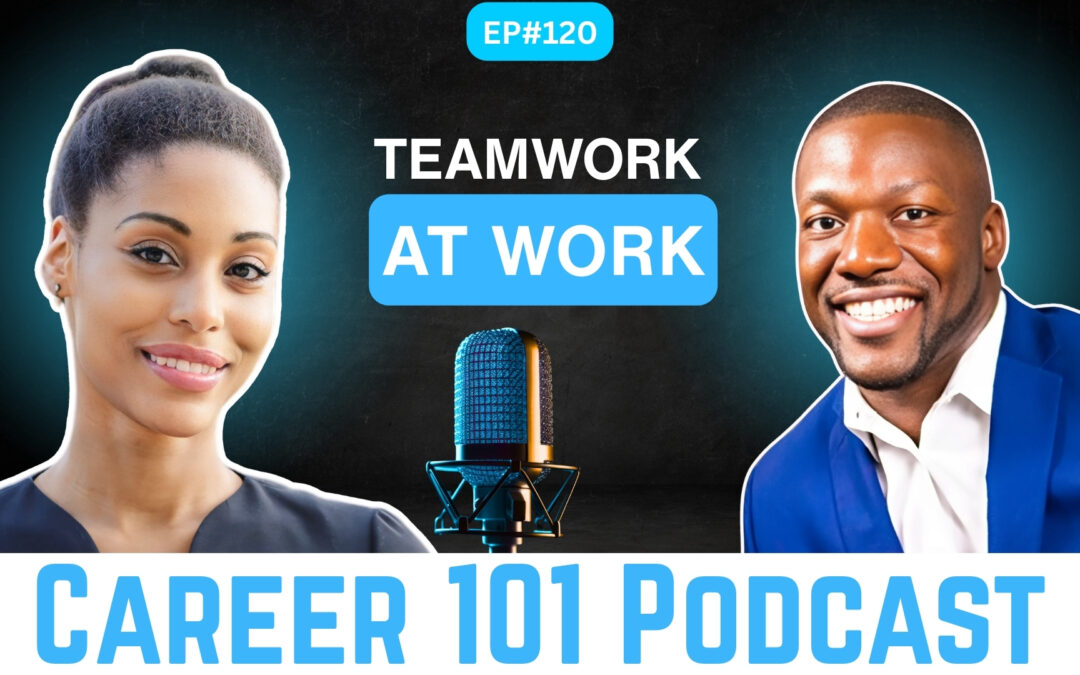
In this episode, host and CEO Porschia speaks with keynote speaker and coach Rennie Curran. Together, they share practical steps to strengthen culture, accountability, and communication. Listeners will walk away with simple, actionable tools that can be applied immediately.
You’ll learn what effective teamwork at work looks like in real interactions. Why high-performance teams matter beyond chasing goals, and how to avoid toxic ambition.
Plus, a proven 3-step system: clarify, personify, and celebrate high-performance behaviors.
Rennie Curran is a former professional athlete, 3x All-American, permanent team captain, and 2010 NFL Draft pick. Now a Hall-of-Fame–recognized keynote speaker, author, and CEO of Game Changer Coaching, he helps leaders turn adversity into advantage and build teams that win the right way.
What you’ll learn:
- How teamwork at work shows up in small, consistent actions that build trust
- A clear definition of teamwork: aligned vision, purpose, effort, and behaviors that you can use to enhance your own team
- 3 qualities of a real team player: servant mindset, consistency, and positivity and how to develop them
- A simple 3-step playbook to enhance teamwork: clarify → personify → celebrate
- How the “Four Ds” silently destroy teams, as some of the biggest team challenges
Resources:
- Episode Transcript
Porschia: [00:00:00] Hello, I’m Portia Parker Griffin, and I wanna welcome you to the Career 1 0 1 Podcast, a place for ambitious professionals and seasoned executives who want an edge in their career. We’re talking about all of the things you were never taught or told when it comes to career growth, development, and change.
Now let’s get into it.
Today we are talking about enhancing teamwork at work with Rin Curran. Rin Curran is a former professional athlete who currently serves as an active keynote speaker, author, and the CEO of game changer coaching. Recently inducted into the Gwinnett County Sports Hall of Fame, Georgia versus Florida Hall of Fame and UGA 40 under 40.
He uses his platform to inspire students, athletes, and business professionals to reach their fullest potential. [00:01:00] His experiences of overcoming many circumstances allowed him to reach his childhood dream of becoming a three time all American, but KISS award finalist, permanent team captain, and a third round draft pick in the 2010 NFL draft.
- Renny has transitioned into becoming a successful entrepreneur, which has given him a unique perspective on what it takes to handle adversity and maximize opportunities while having a positive impact on others. Hi Renny. How are you today?
Rennie: I’m doing great. Doing great. Thanks so much for having me on.
Porschia: Absolutely. We are excited to have you with us to discuss enhancing teamwork at work, but first we wanna know a little more about you. So tell me about 7-year-old Renie.
Rennie: Oh man, that’s a lot going on at seven years old. So I was the knucklehead of the family. I was the only, I am the only boy.
I’m the youngest as well. Both my parents are from Liberia, both immigrants [00:02:00] who came here in the early eighties. My earliest memories actually, at seven years old, around that time, there was a civil war that was taking place in our home country of Liberia. And so at that time, I really saw a lot of sacrifices being made around me.
My parents my mom worked as a nurse. She worked at Grady in Atlanta. If anybody has been to Atlanta, they all know Grady. That’s where you go if you get shot. That’s, it’s a lot. Yeah, going on. She worked there 40 years and dad at that time was in the shoe repair business, so he had a shoe repair franchise and fixed shoes 12 hours a day.
And both of them at that time were really sacrificing for our family. Like they both put the family on their back both being the breadwinners, the oldest in their families, opposite of me. And so I saw them a lot of times just making many sacrifices, being selfless, sending money back home to Liberia.
Helping a lot of our relatives, both direct and extended family to come to America and start a whole new life. Faith was a big part of my early beginnings as well too at seven years old. So I spent a lot of time in church. I was very active at [00:03:00] that time in, in terms of discovering sports.
This is when I started playing backyard football and discovering what I was good at and what I was bad at. Things like that. So it was very I would say I was very active, very curious. I grew up watching a lot of Indiana Jones. A lot of Robin Williams, Jumanji and yeah, and all those movies.
So I was just this adventurous kid who was full of life got in a lot of trouble that I shouldn’t have got into just because I was the only boy and I was just like full of energy. Didn’t know put it and everything. I needed an outlet, obviously which I was able to find later on in my life.
But at that time I was just very curious, very innocent very, just rambunctious yeah.
Porschia: Yeah. It sounds like you’ve been pushing the limits for a while, Randy.
Rennie: Yes. I was a, I was definitely a daredevil. I was, in those streets at a very early, early, early age, like my parents were always working, so luckily they eventually got me into the Boys and Girls Club.
But before that, I was already like finding myself wondering, like just doing stuff. If you would’ve, if you would’ve stopped me at that age, [00:04:00] doing something in the middle of doing something dumb and been like, Renee, what are you doing? I would, I don’t know. I’m just like, out here and everything.
So it is very interesting when I look back. My life I was, but one thing I can say that has resonated in my life that’s been a recurring theme is that I’ve always tried to figure out how things work. I’ve always tried tried to look at things beneath the surface. And understand the strategy, understand how things work together.
And when I think about my 7-year-old self, like I would do things, the most random things that did not make any sense, but now it does. And one of those things was whenever my dad would buy me a toy, I would always find a way to take it apart and try to. So my mom would automatically go to man, how does this work?
How what’s behind this? And my Ws would just start turning. I would take that thing apart, try to put it together, try to see what makes the electronic work. Most of the time I’ll end up breaking it and he’d be angry at me. But in my mind it was just so interesting. And that’s what I do now.
I go into organizations, I work with [00:05:00] people, helping them with strategy, helping them with breaking down their business with teams like understanding how to increase their performance, like how they’re wired. Understanding how I’m wired. Like it’s been just a recurring theme in my life. And I think it’s so cool that like you can have those little things that don’t make any sense when you’re a child that become part of who you are, part of your conditioning, that you ultimately can leverage, in your later parts of life and in your business and in, in other areas.
Porschia: Yeah, I completely agree. We have an entrepreneurship series on this podcast, and I heard a consultant say this a long time ago, and I think it parallels what you said about wanting to figure out how things work. I. She was talking about how as a business owner and an entrepreneur, you’re a problem solver first.
And so there are so many problems that as business owners, we have to solve every day, all the time. Figuring out how things work, I’m sure that just, makes you a great entrepreneur as well. A
Rennie: hundred percent. A hundred percent. I absolutely love it. I love the, like you said, just being [00:06:00] a problem solver, being a servant, being somebody who, my, I get to put my hat on in different spaces and really just try to add value.
That’s ultimately what I try to do every single day. I.
Porschia: That’s great. So Renny, I think a lot of people know a little bit about your career already, but I want you to tell us about some highlights or pivotal moments in your career before you started the business that you have today.
Rennie: Yeah, a hundred percent.
And basically when I think about my career, before I got into what I do now it was very humble beginnings. When most people think about athletes, especially high performing, award-winning athletes, they really, automatically revert to the finished product. You read out the awards, the accolades.
I did not start out like that. I was the definition of underdog. Parents didn’t know anything about sports, what whatsoever, definitely didn’t know about football. And it was one of those things I just discovered, that I happened to be good at. I actually started. By playing music first. I played piano, played the drums in church, played the viola and the orchestra.
And I, I [00:07:00] realized that I was good, like I was athletically inclined. And the biggest thing about sports that really drew me in was the fact that I was a part of a team, which meant I had not just teammates, but these guys became my brothers. So that was the foundation, like the brotherhood that was forged very early on.
I started playing football at 10 years old and my little league coach basically became like my second father. Most of the time my coaches would pick me up every single day for practice. When I say I didn’t know anything, I didn’t know anything. Like I showed up my first day for practice and for picture day, and I had church shoes on, like that’s how much I did not know.
What was going on. And so just through so many principles, so many lessons, so many just experiences getting the rep so many things that I talk about now and that help entrepreneurs and helps businesses, that was really what helped me in my sport. So team teamwork was a major aspect of my early life and how I was able to progress.
And it wasn’t just my team, but it was the whole entire [00:08:00] village, my whole entire community. Besides coaches, I had teachers, I had janitors, I had lunch ladies. Like I had so many people that really poured into me during that time. And that’s how I was able to progress. That’s how I was able to really grow and eventually become that kid that went to University of Georgia and went to the NFL eventually.
And so when I think back to just my entire journey, the most pivotal moments was one just having that team around me of people who challenged me. People who gave me that exposure, people who really did things and went over and above their title. And that came in the form of, like I said, my little league coach.
He took me my first Georgia game at 10 years old on the 50 yard line Uhhuh. And it just changed my life. It changed my perspective. It gave me a whole new vision of what I believe was possible at that time. Then I met a trainer. So I met a coach. We’re both coaches, so you know the importance of this.
But I, I met a guy who. His name is Chip Smith, and I still talk to Chip to this day. Like everybody who helped me grow, I still am connected to them. He was like, if you think about Rocky, he was my [00:09:00] Mickey. This guy had me at 12 years old. My little league coach paid for me to get training. Wow.
I was able to get at 12 years old trained by a guy who trained top NFL athletes. I don’t know if you’ve ever read that book by Malcolm Gladwell, but that’s me. I’m an outlier.
At 12, 13 years old, I’m in there. I’m in bungee cords, I’m in weighted best. I’m seeing like NFL athletes walk around me.
I’m jerseys and everything. And so that was one of the most p p second most pivotal moment was just being in an environment that demanded excellence. That really challenged me to go over and above what I even believe I can do, and it stretched me. And so by the time I got to high school I’d already had those experiences.
And that’s what prepared me for the next pivotal moment was that moment that I heard no, the moment that I started facing adversity, which we all face on our journey to our dreams or whatever it is that we’re trying to accomplish, and my came, my form of adversity and opposition [00:10:00] came in the form of being labeled under size.
So I got moved in my position from running back at that time to linebacker. Which never wanted to play linebacker, but after talking to my little league coach, overcoming the frustrations, that’s where he told me something I never forget. Randy Kern, focus on what you can control. And that’s been a resonating theme, especially right now.
With everything going on, you gotta focus on what only you can control. So for me, that meant my attitude, my mindset. That meant my character. That meant how I approached practice and preparation. That meant how I approached things before I got an opportunity because, that can make or break you.
And so that, that mindset is what created in me a certain identity that helped me surpass so many moments where I wasn’t in that position that I wanted to be. And that’s really the true story of my career, is like at every single level, whether it was in high school, whether it was in college. Or in the pros, the way that I got my [00:11:00] promotion or my big break was how my mindset, my behaviors, my habits, when I was not in the position that I wanted to be.
And I, I’ve coined the phrase now operate at the level of your vision, operate at the level of your vision. And that’s something that I live by. That I speak on, and it’s operating at that level, not where you are currently, but that 10 year version of yourself really thinking through what are the behaviors, what are the habits, what are the activities what are the relationships you wanna have, things like that.
And then trying as much as possible to live that in your current reality and bring it to fruition, because I believe it puts you on a trajectory. So that, like I said, it was a recurring theme throughout my whole entire career. And really helped me to progress. And so I took a lot of those same things when it came to get making it to the NFL when it came to getting to University of Georgia, separating myself, becoming a one percenter.
There’s just certain principles, there’s certain recurring things that you have to [00:12:00] do and you have to maintain in order to stay at that level. And so once I extracted those things. That’s how, that’s what really set me up to be able to progress into what I do now. The keynote presentations, leadership development, high performance coaching all of it is really the same.
And that’s something that I’ve learned on my journey. I.
Porschia: Wow, you shared a lot of wisdom there. Renny. So I think some people are gonna have to listen to this episode again, but I really loved your quote about operating at the level of your vision. I think that is so important. So you’ve obviously had a lot of coaching in your life.
What motivated you to become a coach yourself?
Rennie: Yeah, it was one of those things that, that just fell on me. Honestly, I didn’t even realize that it was something that existed outside of sports. And so for me it was just a way of life. It was a everyday thing. And I joke with people all the time.
I’m like, imagine if you had a camera that followed you around every single day [00:13:00] and recorded you, and then you had to watch that the next morning, and then you had to go out, do it again. You got that camera following you, and then you gotta watch it. With somebody that next morning and they’re holding you accountable every single day.
Imagine how much that would change your behaviors or have habits, how aware you would be like. That’s literally what I had for the first part of my life. And so coaching has been such a pivotal part of my life. And unfortunately when we transition as athletes out, we forget these things. Like we forget to have a coach or we see it as a weakness.
Other people see having coaching, counseling. As a weakness in other area areas of their life, whether it’s in life, whether it’s their mindset et cetera. And so when I think about what made me get into coaching, it was like thinking back on all those experiences, right? And just thinking about the opportunity now that I have because of everything that I’ve gone through to be able to pour that back into others.
Through coaching. And like I said, it wasn’t something that I set out to do, but by the virtue of, for [00:14:00] example, the fact that I went through my transition and I was able to build my personal brand through my transition by doing a personal SWOT analysis and then going out and networking and learning how to network the right way and getting those mentors, building my website from scratch, starting to speak all those different things.
As I went through those different experiences, I realized it created frameworks that I didn’t even know I was building. And those same frameworks is part of now what I use, along with getting, of course certifications and things like that. But that personal experience, being able to add that along with traditional certifications is what gives me an edge in terms of coaching and helping people overcome their challenges.
So that’s what really led me into it. And I had a guy that really mentored me that was a coach. When I went to my first corporate speaking engagement afterwards, and it wasn’t the best speaking engagement this was back in like 2013. So when I look back at it now, I cringe, but delivered my message to my first like business audience.
They were [00:15:00] all franchise owners and so they were coming to a conference to get development and coaching. And so after I spoke to them, just sharing my story, he was actually the guy who coached all of them. And so he approached me. He was a former athlete as well, and he was like, Hey, Renny, I think you’d be great for this.
And so got certified through his company and he also started feeding me business clients. And so I started working with them, helping them reach their goals, helping them achieve high performance. Didn’t know what I was doing half the time, but I fell in love with it. And I started to realize that man.
A lot of what I did as an athlete, the coaching that I received, there’s a lot of the same principles here. There’s a lot of same recurring themes that can help people in their life. And so that, that was the foundation I built coaching on.
Porschia: Yeah, that’s great. So Renee, what is your definition of teamwork?
Rennie: So I would say my definition of teamwork is where you have a group of individuals who are aligned in their vision, purpose, [00:16:00] efforts and behaviors in a way that helps them accomplish a specific goal or task.
Porschia: Love that. So that is
Rennie: my, yeah, that, that is my definition. Like I said, I absolutely love teamwork.
I genuinely believe like this day and age, this time, I. We’re in, you have to have a collaborative teamwork mindset, or you’re ult, you’re just not gonna operate in a level that you need to. We could talk about inflation alone. It’s just hard when you even think about this family structure and just relationships.
Like you have to have a teamwork mindset in order to survive and or not just survive to really thrive. So I’m very big on it. I’m passionate about it. I love talking to organizations and, associations about the importance of teamwork and even just reminding them of that aspect that, hey, you can’t do anything.
You, you can only go so far by yourself.
Porschia: Yes. So let’s say someone’s listening, what do you think effective [00:17:00] teamwork actually looks like in the workplace?
The Career 1 0 1 Podcast is brought to you by Fly High Coaching, where we help our clients soar to their full potential executives and leaders are setting out to achieve their company goals, but without the right support. It can be difficult, if not impossible. Employee performance, productivity, and company culture all affect organizational revenue and profits.
We offer customized consulting, coaching, and training solutions and can serve as your external talent development partner. Check us out on our website, fly hi coaching com.
Rennie: Yeah, I think it definitely starts with trust. It starts with trust and there’s certain things that you have to do to build that trust on a daily basis.
Really when you think about teamwork and effective teamwork, it happens in [00:18:00] those little small moments of interaction. And it’s the same thing with when you look at leadership, when you look at culture, how culture is built, all these are built in those small little exchanges for so every. Everything from your body language, your communication, how you handle challenges, how you handle your day-to-day tasks.
Are you just going through the motions or are you really trying to operate with excellence? Do you acknowledge each other? That’s something that we don’t think about in terms of teamwork and org and companies and organizations. Do we even speak to each other or we do, we just walk by each other and then only communicate when we need something from each other.
Like, all those little small moments lead to your biggest outcomes and your biggest wins. And there’s so many statistics just around engagement and how that affects, it, it affects just your ability to operate as a team. Your productivity. It affects your culture. It affects retention. Burnout, if it, there’s a statistic that even talks about how if you’re in a caring environment where you feel like your manager and this person cares about you and your colleagues, you actually have a [00:19:00] relationship with them that affects your attention, that affects your ability to bounce back your resilience.
So there’s so many things when you think about, teamwork that can enhance it in the workplace. But like I said, it, it really starts with those small interactions and being intentional because ultimately that’s what creates the culture.
Porschia: Yes. So back in episode five, we discussed being a team player.
From your perspective, what does it mean to be a team player at work?
Rennie: I think it starts with the golden rule, treating others the way that you wanna be treated. That’s where it all starts is your, the intention that you put out there when you’re a team player. You have that servant mindset.
So that’s just simply, I. Hey, I’m here for you. I have the best intentions. I wanna see you win just as much as I wanna win. If you don’t have that and you can’t fake that, right? We all know that a person that when we come across them, they’re talking to us, but it’s really, they want something I. We know, we all know that person.
When you think about that person, when [00:20:00] the phone rings and we look at their name Yep. We know that it’s only ’cause they need something. So that’s something you cannot fake is that authenticity, showing that you care, showing that you genuinely want to see others win and just trying to be a servant at the end of the day.
I think that’s the best. The best way to describe a great teammate is somebody who is selfless. You know they got your back. You don’t have to question who they’re gonna be on a certain day. They’re consistent in terms of their character. They show up even when at times they don’t necessarily feel like it.
They don’t have to, but that’s just who they are and then they’re positive. That’s another thing. The worst teammate to have is somebody who is consistently negative. That person who, like I talk about, when you got a solution, you got five ways that something’s gonna could possibly work. They got 10 reasons why it won’t work.
And that holds man. One saying that I have with one of the teams that I work with a guy by the name of John [00:21:00] Gordon. We partner on doing workshop facilitations on speaking engagements. But the saying that we have as part of his company is, one player can’t make a team, but one person or player can break a team.
One player or one person can’t make a team, but one can’t break a team. And you see it happen all the time. It’s. Especially in sports, right? ’cause there’s that immediate feedback where you see the one player who just crashes, who’s having a horrible day, so they drag everybody else down. You see the same thing in organizations. It could be that one person that’s just a cancer, the person who gossips starts rumors. The person who doesn’t really just goes through the motions. The person who doesn’t really engage, the leader that is inconsistent, the leader that you give. Feedback too, but they don’t really implement any type of change.
They’re egotistical, whatever it is, it just brings everything down. And when I think about having that team player, it is definitely somebody who, like I said, is careless, has that serving mindset. Somebody who is [00:22:00] positive and just challenges everybody around them to reach that level of greatness and excellence.
Porschia: Yeah, I think you outlined that really well. And I think most people definitely in the workplace have worked on a team where, to your point, one person broke the team. One person was the reason why the project or the program was not successful. But to that point, we have also touched on building a high performance.
Team, and that was in episode 1 0 3. Why do you think it’s important to have a high performance team?
Rennie: Man, it is like why not? Like why wouldn’t you want to have a high performance team? Like, why wouldn’t you? What’s the point of coming together, being a part of something, whether it’s an organization, a team, if you’re not trying to reach the highest level, you’re not trying to create like a legacy.
If you’re not trying to accomplish something great, like I, I just don’t see the point of it. If you are in an organization and you’re just going to collect a paycheck. [00:23:00] Like life goes by too fast for that to just exist. And same thing, as I was on the different teams that I played on every single day, that’s one of the things that I miss the most is like we were all trying to get better, even in the smallest ways.
We were all trying to achieve excellence. And we are all just connected on that front. Hey, we. Are here to win. We are here to make not just ourselves better, we’re here to make each other better. We are here to make our families lives better. We are here to make, have an impact on the community.
So I feel like when you are mission driven and you’re purpose driven, that’s just like what it is. High performance is what it is, and not necessarily about grinding all the time and about getting to that point of burnout. But really when I think about high performance, it’s more so high performance leadership.
So being a high performing leader, because those are two different things. Having a high perform high being a high performer and being a high performing leader is completely [00:24:00] different. So I just believe, man, if you have a group of high performing leaders and that’s those who are not just trying to just hit the next goal because that can get exhausting.
I don’t agree with that. Like just always being in that environment where it is you’re on a rat race, you’re just chasing what’s next. I call that toxic ambition where you chasing just to chase. What’s the number? Oh, we got this number. Okay, let’s, what are we gonna do next quarter? Nah.
But if you can have a situation where. You’re chasing that next goal, but that is aligned with the powerful mission to serve, to impact more people, to see growth within the team. Everybody not only grows professionally, but personally to where when they lead that organization, they lead that team.
They’re not just better at their job, but they’re better as people. They’s powerful, and I think every single organization should strive for that, to create an experience where everybody benefits both personally and professionally. And then it’s a win-win regardless of if that person only stays for.
Six months or stays for 30 [00:25:00] years. Either way they just improve themselves in holistically.
Porschia: Yeah. Yeah. I love that. And when you mentioned, toxic ambition that someone who, they might think, oh, I’m trying to prove myself, or I’m trying to be a high performer, or a high performing leader, to your point understanding, you know what the big picture is? You made me think about a guest we had back when we talked about goal setting. And her whole part of her premise was talking about sustainable ambition, right? What can be sustained over time? So you made me think about her with that, and I think it’s a very similar concept to what you’re talking about.
So what are some tips renny to enhancing teamwork at work?
Rennie: Really the first tip I would give is clarity, right? So what does high performance even look like for your team? What does [00:26:00] that MVP level or that, quality, level of excellence look like within your team in terms of behaviors operational practices, best practices?
You have to be very. Very clear and very intentional about that. If you expect that, if you want that. And then the next tip, once you’ve clarified that, then you have to personify that. So as a leader, if you’re trying to build a high performing team or build high performing leaders, you gotta live that out.
You gotta be the representation of those behaviors. And then the last thing, last tip I would say is you gotta celebrate it. You gotta celebrate, you have to acknowledge it. You have to create a reward system that also promotes that kind of behavior and acknowledges it. Because the worst thing is when you’re a part of a team and you’re a high performer, and then it’s not really appreciated.
It’s not rewarded, it is not something that is even acknowledged. And so you find yourself saying, man, why am I going so hard? So and so over here is just going through the [00:27:00] motions and they’re getting the same thing, same paycheck.
Same reward, same that I’m, so why am I gonna keep going outta my way for everybody else?
Why am I gonna, I just feel like I’m being used. And that’s why many, there’s a lot of statistics around that as well too, where many employees will leave their organizations because they don’t feel appreciated. They don’t feel acknowledged by their boss or by their manager or whatever the case is.
So if you can do those three, three things. Be very clear and intentional on what high performance looks like. I see a lot of organization, they have the values on the wall, the mission statement, all that, but when you ask their employees one, they don’t even know what the mission and vision statement is.
Two, they don’t even know what they, it looks like in terms of living it out and actually, really. From an operational, practical standpoint and how they do their jobs, they don’t really know what that looks like. And so you can’t really do something or track it in improvement, improve it if you’re not really clear on what that is.
And then you have those situations where it is clear, but then the leader is not. Not exemplifying [00:28:00] that they’re not consistent in how they, what they say and what they do in everything. And then it’s not rewarded on the last end. So I think if you could do those three things, that can be the beginning of having that high performing team.
Porschia: Yeah. That’s great. And I think, you were getting to this already, but I wanna know from your perspective, what are some of the biggest challenges you’ve seen executives and professionals have with teamwork at work?
Rennie: Yeah, I would say it, I call it the four Ds. So the four Ds is something I talk about when I speak to different teams and organizations.
And the first D is distractions. So you got tons of distractions with a lot of teams and organizations. Distractions can mean gossiping. Distractions can mean dealing with difficult clients and letting them get under your skin. Distractions can be that one negative person who’s bringing everybody down.
It could be stuff. That’s on social media politics. [00:29:00] What the stuff that happens before you even get in the office that has nothing to do with your mission and vision. And then once distractions take a hold, it creates doubt. And so which is the next D? So that once there’s doubt, now you’re doubting the vision.
Now you’re starting to question. That person on your team, you’re starting to look at them not as a teammate, but as an adversary. You start to form assumptions, right? Once there’s doubt that doubt leads to division. And so now you’re divided. Now you’re not talking, you’re not communicating. And we all know I.
Communication, lack of communication is one of the things that hurts teams the most, or when there’s miscommunication. And so once there’s the vision, ultimately it leads to, if it’s long enough, it leads to discouragement, which is the last D. And once there’s discouragement, that means like people are disengaged, actively disengaged.
Now they’re just showing up. This is show up. They’re not really trying to be a part [00:30:00] of the team. They’re just trying to collect the paycheck. They’re just going through the motions. And that ultimately those four things is really what holds a lot of organizations back in progression. And many leaders, many teams they’re in, they’re dealing with each four of those in some certain way and it holds ’em back.
So they’re very distracted because of the negativity, because of what’s going on the outside, because of the chatter, because of change. That’s something that creates a lot of distraction. Whenever there’s a change, there’s leadership change. There’s policy change, there’s just something that happened.
It starts to create, like I said, it creates those doubt, distractions, all that leads to discouragement if it’s not handled in the right way. And if leaders aren’t proactive in managing those things as well, I.
Porschia: Yes I definitely have seen the four Ds play out in some of the organizations that we work with.
And then to your point, I think it has a huge effect on employee engagement when talked about people going through the motions or being [00:31:00] actively disengaged, getting to that point. So yes, I definitely agree. So tell us more about your business, Renny.
Rennie: Yeah essentially I am a full-time keynote speaker, so I speak on leadership, teamwork, and then high performance.
And one of the things that separates me from a lot of speakers and, workshop facilitators, is I do so much research on the organizations that I work with. I do interviews, pre-interviews, research at organization. Sometimes I’ll sit in on the strategy meetings leading up to the event. Things like that.
So I, I just absolutely love getting to not just present and not just deliver powerful message or deliver a workshop, but just really getting to know the individuals. And I feel like that’s what people deserve. They deserve customized experience, something that’s relevant to them, not just a cookie cutter process.
And so I take great pride in that. And then I also do coaching as well. So I work with entrepreneurs and executives. Helping them with anything from basic goal setting to their personal [00:32:00] brand. And then a lot of times people come to me for improvement around public speaking. So I’ve I’ve done a lot of that as well.
Those who are either trying to overcome the fear or they are looking to become a paid. Professional speaker. I’ve helped them with that process as well. So that is my main kind of bread and butter business. And then since 2019, the last thing that I’ve done that’s aligned with my business is I do networking events.
Because like I mentioned before, as I was going through my transition, I started getting really into just networking, meeting with business leaders. Just being hungry and learning from different people from different walks of life. I joined the Buckhead Club here in Atlanta, which is part of the conglomerate called the invited clubs.
And so once I joined there, I approached the manager about hosting event that would bring together athletes and business leaders. And so we coined it or called it the Sports and Business Network. Networking mixer at that time. So the first one we had was just 90. We thought it was gonna be nothing and [00:33:00] 90 people showed up.
Porschia: Wow. And then the
Rennie: next one was like 150 people. Third one was like 300 people. Yeah. And so since 2019, I’ve been hosting those events. I started doing it quarterly. I. Now we do it monthly here in Atlanta at different business locations. And so it’s been amazing just building that out and really being able to support athletes who are transitioning corporate leaders that are also transitioning as well, trying to either get a job or they’re trying to grow their business.
We have panel discussions from leaders in the, in, in different industries as well. So that is another part of my business that I really enjoy outside of speaking and coaching.
Porschia: Yeah. Hats off to you, Renny. You are a busy man. We’ll be providing a link to your website and social channels in our show notes so people can find you online.
But what is the best way for someone to get in touch with you?
Rennie: So the easiest way is you just mentioned it through my website, renny kern.com, and then also through my social [00:34:00] media channels. LinkedIn, just my name, Renny Kern, Instagram, same thing, YouTube. Same thing as well, if you are a sports fan, I still got some highlights and hard hits on there, but yeah, I really appreciate you having me on.
Your show and yeah, keep up the great work as well. Keep making that impact. It’s an honor to be a coach and yeah I wish you continued success.
Porschia: Thank you. I have one more question for you, Renny. It’s my last question that I ask all of our guests. How do you think executives or professionals can get a positive edge in their career?
Rennie: That’s a good question. I love it. The biggest way I believe executives, and you said executives and professionals.
Porschia: Yes.
Rennie: An edge in their career is by knowing who you are. Know who you are, know what you stand for, know what your convictions are. Know what your truths are, your personal philosophies, and don’t compromise.
So many people lose their edge because they get into environments, they get into cultures, they get into positions [00:35:00] where they’re not, being promoted, they’re not whatever. And they lose who they are. They lose what they stand for, what they represent, what they want their legacy to be. So the more clear you can get on what that is, and the more you can walk into spaces and around people and opportunities and hold onto that and not compromise.
The more you’re gonna be able to maintain that edge. And regardless of what the industry or the markets are doing, or what you know is happening in politics, you’ll be able to withstand whatever comes your way and you’ll actually grow through those moments because you’ll lean into more of who you are and those mental, physical, spiritual muscles will be strengthened through that adversity or whatever change that you experience.
So that’s what I would say.
Porschia: Wise words. So Renee, you have shared a lot of wisdom with us today and I’m sure our listeners can use it to be more confident in their careers. We appreciate you being with us.
Rennie: Yes. I appreciate you having me, and I look forward to hearing from your listeners.
Porschia: [00:36:00] This episode was brought to you by the Brave Bird Career Alliance, the go-to membership designed for seasoned executives and ambitious professionals with everything you need for career planning, strategy, training, and support. Thank you again for listening to the Career 1 0 1 podcast. I hope you have at least one key takeaway that you.
Can use in your own career. If you enjoyed hanging out with us, please rate, subscribe, and share this podcast. Until next time, here’s to your success.