Last Updated on December 11, 2025 by Fly High Coaching
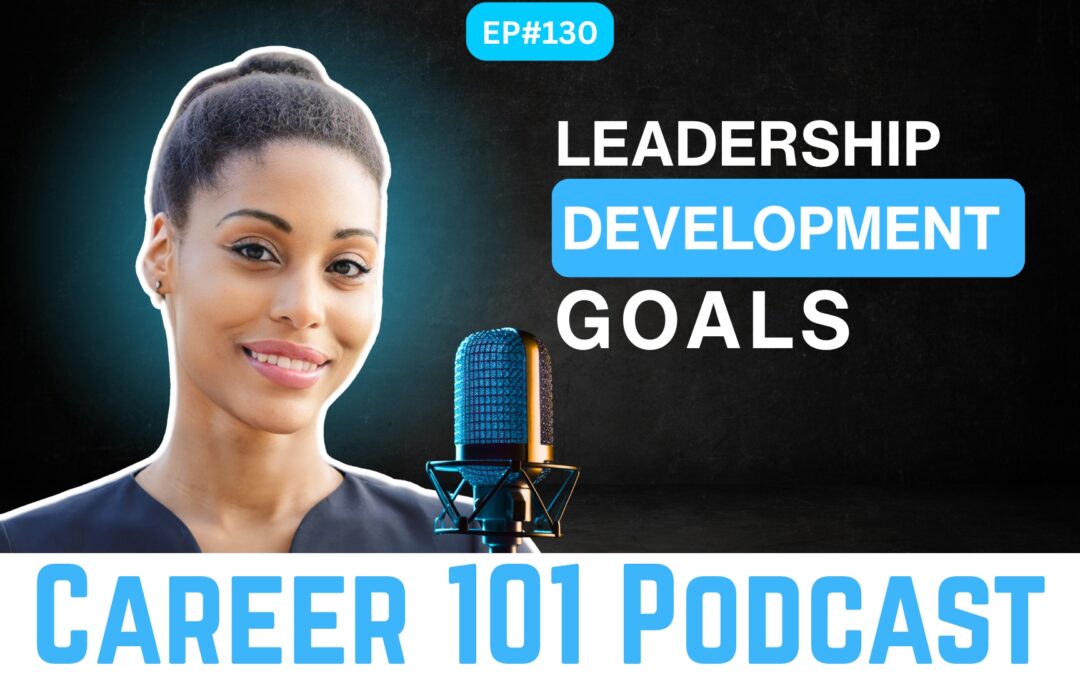
Leadership development goals take center stage in this week’s #Career101Podcast, where host and CEO Porschia breaks down how to set, track, and actually achieve the goals that move your career forward. From early wins to executive impact, your goals shape not just how you lead, but how your team thrives!
In this episode, Porschia maps goals across career stages, early, mid, and late, and shows how to turn vague intentions into SMART, skill-building actions. She also shares a simple weekly cadence to keep momentum without overwhelm.
You’ll get practical examples for confidence, communication, strategic thinking, delegation, executive presence, mentoring, and legacy planning. And yes, she flags the big traps: fuzzy aims, no feedback, and “learning without doing.”
What you’ll learn:
- Why leadership development goals are your roadmap across early, mid, and late career
- How to turn intentions into SMART goals with clear actions and weekly checkpoints
- 3 common challenges people have when trying to improve their leadership skills, and how to address them successfully
- A feedback loop (peers, mentors, skip-levels, 360s) surfaces blind spots by comparing intent vs. impact, so leaders focus development on the 1–2 behaviors that improve results fastest.
- On-the-job practice (micro-experiments, fast debriefs, iterations) converts learning into action, building repeatable habits, confidence, and measurable performance gains.
- The benefits of strategic thinking, delegation, and executive presence without increasing headcount by utilizing time-boxing strategy, delegating outcomes with owners/metrics, and communicating crisply at the right level.
As a thank you for listening to this episode of the Career 101 Podcast, we are sharing our FREE master class – Career 911: Solving the Top 5 Challenges Executives and Professionals Have! It’s a training based on solving the common problems our clients have experienced to reach their goals. You can get access to the master class here!
Resources:
- Episode Transcript
Today, we’re diving into an essential topic for anyone looking to grow as a leader: how to achieve your leadership development goals. Whether you’re just starting your career, moving into senior leadership, or preparing for a legacy role, this episode will provide insights into setting and achieving meaningful leadership goals. Plus, we’ll discuss the common mistakes people make along the way and how working with a career coach can be a game-changer.
1st I want to talk about**Common Leadership Development Goals at Different Career Stages**. Most of the listeners of this podcast are in their mid to late Careers. However, I want to cover each career stage because I think it’s important to understand. It’s never too late to develop a skill. And that’s part of the reason why I created this podcast. The vast majority of people are never taught or told how to develop skills, plans, and strategies in their careers. I find that this is true for even executives and people who are 20 or 30 years into a career. These goals that I’m going to cover, Can be helpful for you in a variety of ways.
Let’s start with talking about goals in your early career. I generally consider early career professionals to be within their first ten years Of professional Work experience. Some beneficial goals In your early career, include.
– Developing confidence in decision-making and communication.
– Learning how to effectively manage time and prioritize tasks.
– Building a personal leadership brand and professional network.
– Cultivating emotional intelligence and self-awareness.
Now let’s move into The mid career stage, which I consider to be Around 10 to 20 years On your career path. Some effective goals in your mid career might be.
– Transitioning from individual contributor to leadership roles.
– Developing strategic thinking and problem-solving skills.
– Strengthening delegation and team management abilities.
– Enhancing executive presence and influence within an organization.
The mid career stage Can be one of the most important stages of your career. Many people are faced with Major decisions and Have to make strategic choices, That will affect the rest Of their career And influence Their Financial Goals. You might want to check out episode 17 of the podcast on how to navigate mid career changes.
Finally, I want to talk about the late career stage, which I generally consider to be 20 or more years of professional working experience. I know that For a lot of people, they’re going to work much longer than 20 years, but I’m highlighting this time frame To signify A change in mindset and strategy. Some leadership development goals you might have in your late career are:
– Refining leadership style for greater impact.
– Mentoring and developing the next generation of leaders.
– Expanding influence beyond the company, such as industry leadership or board positions.
– Preparing for career transition, legacy, or succession planning. After 20 years. In one career, someone might want to Make a career change into something new. If that is of interest to you, check out Episode. 93 on how to make your career change. Career changes are going to be even more important and common As technology continues to Shift. People in current generations will have more careers And changes, than Those in previous Generations.
Now that you know some beneficial goals At different career stages, I want to talk about the.**Top 3 Mistakes People Make When Trying to Reach Their Leadership Development Goals**
- They.**Lack of Clarity and Specificity**
Many professionals set vague leadership goals like “becoming a better leader” without defining what that truly means. Without clarity, it’s challenging to track progress or stay motivated. A better approach is to set SMART goals (Specific, Measurable, Achievable, Relevant, Time-bound).
- **Not Seeking Feedback or Coaching**
Leadership development doesn’t happen in isolation. Too often, individuals rely solely on self-assessment rather than seeking feedback from peers, mentors, or coaches. Constructive feedback and guidance help identify blind spots and accelerate growth.
- **Failing to Take Action and Adapt**
Some professionals invest in leadership books, courses, or training but fail to apply what they learn in real-world situations. Leadership growth requires consistent practice, reflection, and adjustment based on real experiences.
A career coach can be instrumental in helping you achieve your leadership development goals. Here’s how:
– **Personalized Strategy:** A coach helps you clarify your goals, create a step-by-step plan, and keep you accountable.
– **Objective Feedback:** Coaches provide an unbiased perspective on your leadership strengths and areas for improvement.
– **Skill Development:** They offer targeted exercises, role-playing, and actionable strategies to build confidence and competence.
– **Support Through Transitions:** Whether you’re stepping into a new leadership role or preparing for executive-level responsibilities, a coach helps navigate the challenges of change.
– **Networking & Growth Opportunities:** Coaches often have extensive networks and can introduce you to valuable mentors and industry connections.
Achieving your leadership development goals requires clarity, feedback, and consistent action. You might want to check out episode 46 of the podcast where I review How to design Your leadership development plan. By avoiding common pitfalls and leveraging the support of a career coach, you can accelerate your growth and make a meaningful impact in your organization and beyond. If you’re ready to take your leadership to the next level, consider working with a coach who can guide you on this journey.
If you found this episode valuable, share it with a colleague and subscribe for more career insights. Until next time, keep striving for excellence in your leadership journey!